

3 Common Roadside Emergencies a Towing Service Responds To
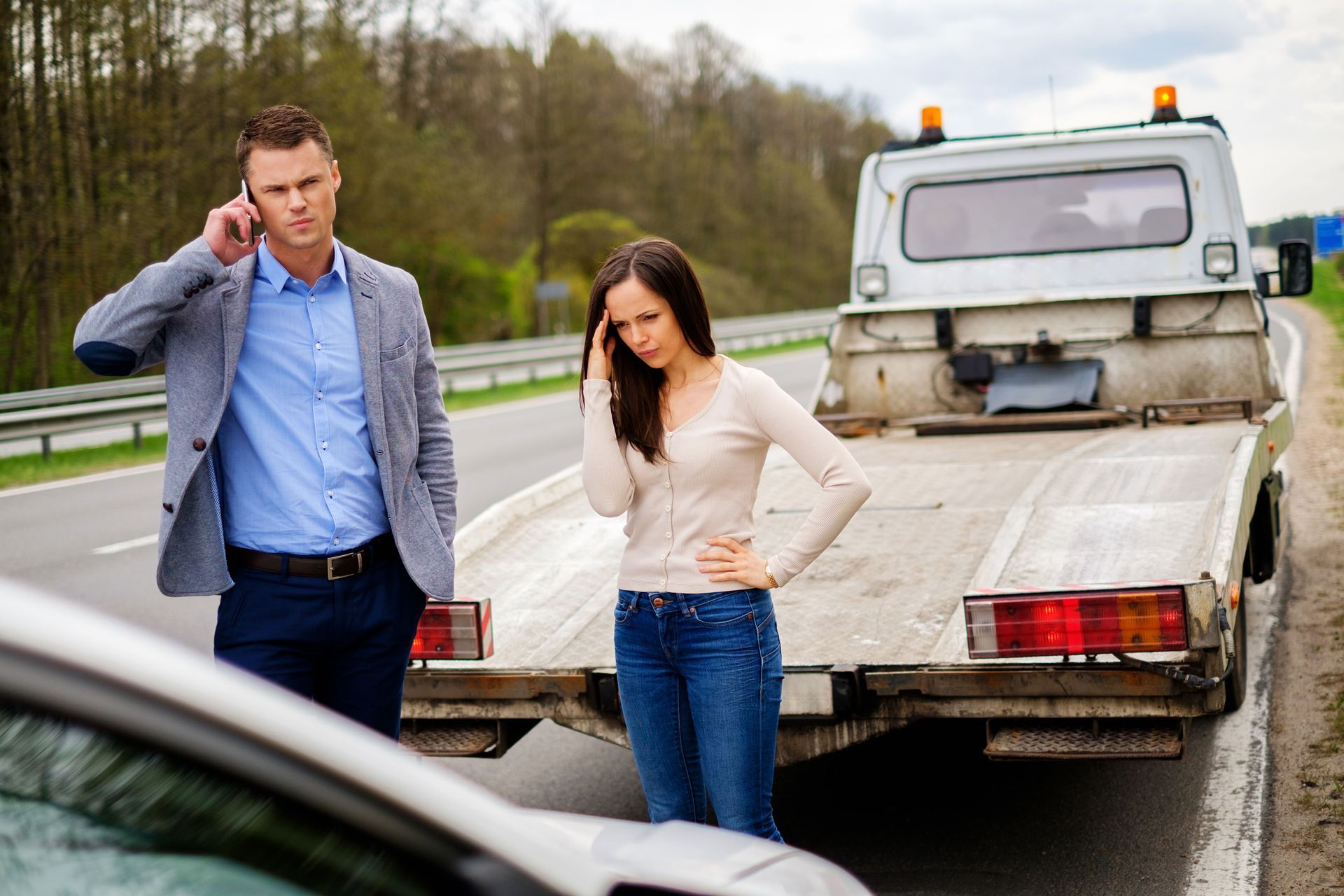
Unexpected vehicle trouble rarely happens at a convenient time. Whether it is a morning commute, a long-distance trip, or a late-night drive, breakdowns tend to appear when drivers are least prepared. In those moments, having access to a dependable towing service can make the difference between a minor disruption and a prolonged roadside ordeal. Rapid response, proper equipment, and experienced operators all contribute to restoring safety and mobility as quickly as possible.
Roadside emergencies continue to be a consistent driver of demand across the vehicle assistance industry. According to IBISWorld, there were 39,482 automobile towing businesses operating in the United States in 2025, marking an increase of 0.6% compared to the prior year, which reflects steady growth in response to ongoing roadway assistance needs. That expansion highlights how frequently drivers encounter situations that require professional recovery support.
The reality is that most motorists will eventually face some form of breakdown or roadside complication. Understanding the most common scenarios helps drivers recognize when immediate assistance is necessary and why professional intervention is often the safest choice.
1. Mechanical Breakdowns That Disable Vehicles Unexpectedly
Battery Failure and Electrical System Malfunctions
Battery-related failures are among the most frequent causes of roadside immobilization. Modern vehicles rely heavily on electrical systems, and even a slightly weakened battery can prevent ignition, disable accessories, or trigger warning systems that leave a driver stranded. Extreme temperatures, aging components, and parasitic drains all contribute to sudden battery failure without much warning.
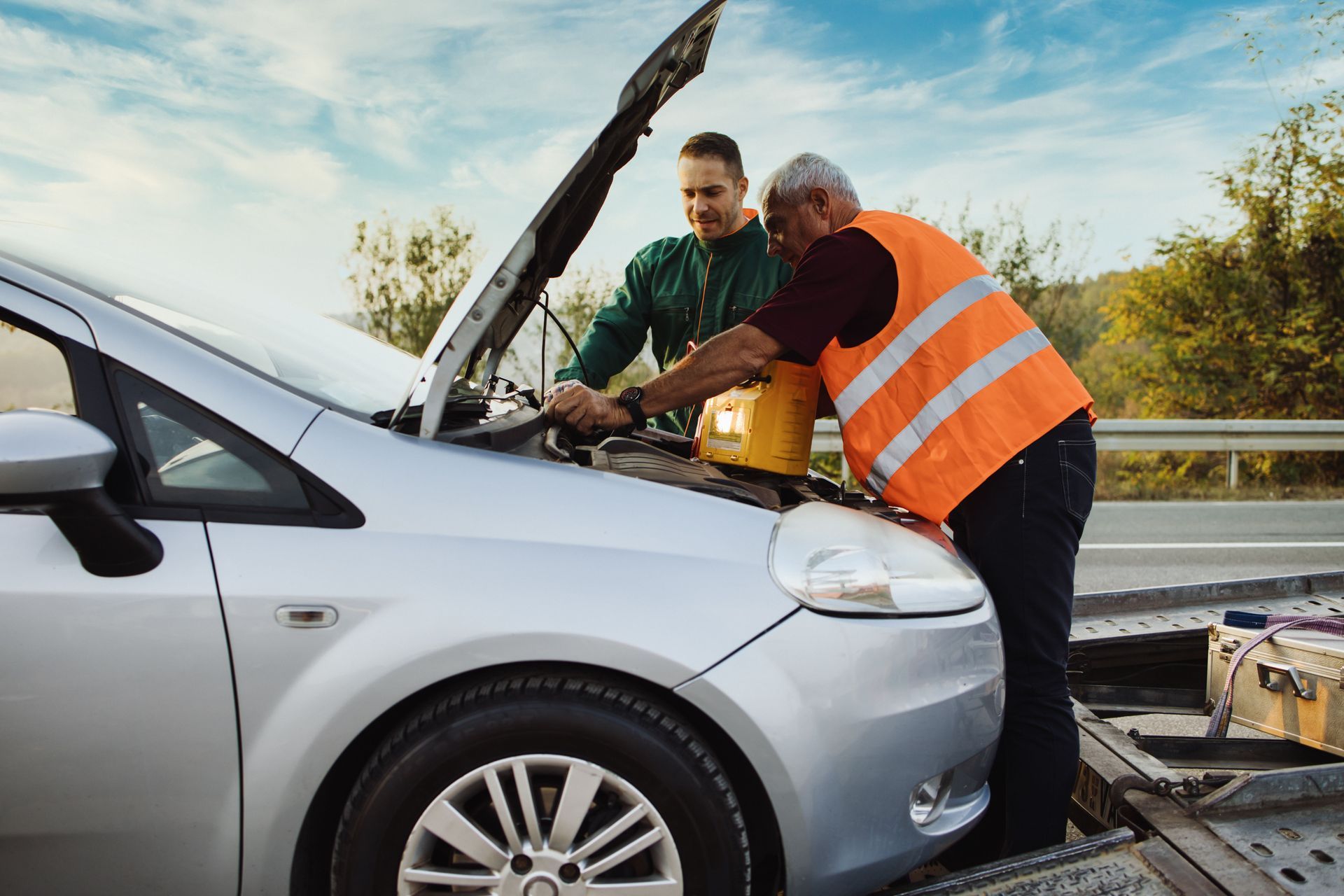
In many cases, drivers attempt quick fixes such as jump-starting the vehicle, but these solutions are not always effective or safe, depending on the underlying issue. A towing service is often required when electrical faults extend beyond the battery itself, such as alternator failure or wiring complications that cannot be diagnosed on-site. In these situations, transporting the vehicle to a repair facility becomes the most efficient and secure option.
Electrical malfunctions can also escalate unexpectedly. A vehicle may start intermittently before failing, leaving drivers stranded in unsafe locations. This unpredictability is why professional roadside response remains essential for resolving electrical system breakdowns efficiently and safely.
Engine Overheating and Fluid System Failures
Engine overheating is another common roadside emergency that can escalate quickly if not addressed. Low coolant levels, radiator leaks, broken hoses, or malfunctioning thermostats can all contribute to rising engine temperatures. Once overheating begins, continued driving risks severe engine damage, making immediate shutdown necessary.
Drivers often notice warning signs such as steam, unusual odors, or dashboard alerts before a full breakdown occurs. However, once the engine reaches critical temperature, the safest course of action is to stop the vehicle and request assistance. A towing service is typically required in these cases to prevent further mechanical damage and to ensure the vehicle is transported without additional strain.
Fluid system failures extend beyond cooling issues. Oil leaks or transmission fluid loss can also render a vehicle unsafe to operate. When lubrication systems fail, internal components are exposed to excessive friction, increasing the likelihood of permanent damage. Rapid response helps minimize repair costs and prevents secondary failures from developing during attempted operation.
2. Collision Recovery and Roadside Accident Response Needs
Minor Collisions and Disabled Vehicle Removal
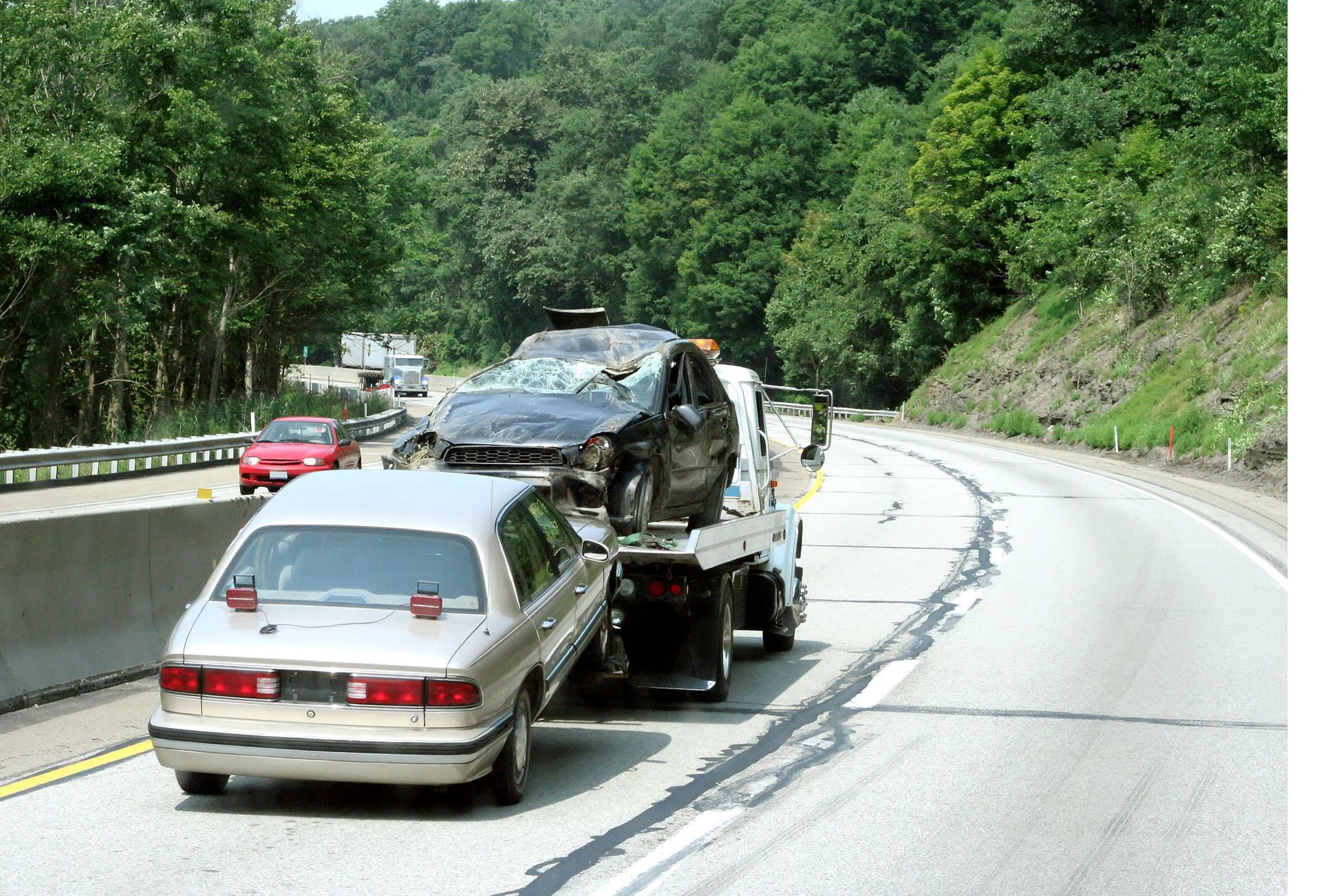
Minor collisions often create situations where vehicles are no longer safe to operate even if damage appears superficial. Misaligned wheels, leaking fluids, or compromised suspension components can prevent safe travel beyond the accident scene. In these cases, immediate removal is necessary to restore traffic flow and ensure safety.
A towing service is frequently dispatched to clear disabled vehicles from roadways after low-speed impacts. Even when airbags do not deploy or structural damage appears limited, hidden mechanical issues can make driving hazardous. Proper assessment and controlled transport help prevent further damage while ensuring the vehicle is moved without risk to surrounding traffic.
Accident scenes also require careful handling to avoid secondary incidents. Vehicles positioned in active lanes or obstructing intersections must be removed quickly and safely. Professional operators are trained to manage these scenarios efficiently, reducing congestion and minimizing exposure to additional hazards.
Severe Accident Recovery and Winch-Out Operations
More severe collisions may result in vehicles leaving the roadway entirely or becoming lodged in difficult terrain. These situations often require specialized recovery techniques such as winching, stabilization, and controlled extraction. Each step must be performed carefully to avoid worsening structural damage.
A towing service equipped for recovery operations uses specialized rigging and heavy-duty equipment to retrieve vehicles from ditches, embankments, or roadside barriers. These environments present unique challenges because vehicles may be unstable, partially submerged, or positioned at unsafe angles.
Recovery operations prioritize both vehicle integrity and scene safety. Operators assess weight distribution, anchor points, and environmental conditions before initiating extraction. This level of precision ensures that even heavily damaged vehicles can be safely recovered and transported without additional structural compromise.
Post-Accident Roadway Safety Management
After an accident occurs, roadway safety becomes a critical concern for both drivers and emergency responders. Disabled vehicles can obstruct lanes, reduce visibility, and increase the likelihood of secondary collisions if not removed promptly. Efficient clearance is essential to restoring normal traffic flow.
A towing service plays an important role in post-accident management by ensuring vehicles are relocated quickly and safely. This includes coordinating with law enforcement or emergency personnel when necessary to maintain a controlled environment during recovery operations.
Proper post-accident handling also helps protect drivers from liability complications and additional hazards. Once vehicles are secured and removed from active roadways, drivers can focus on insurance processes and repair planning without remaining exposed to traffic-related risks.
3. Environmental and Situational Road Hazards That Lead to Stranding
Weather-Related Roadside Emergencies
Severe weather conditions frequently contribute to unexpected roadside incidents. Heavy rain, snow, ice, and flooding can reduce traction, impair visibility, and increase the likelihood of vehicles becoming stranded or disabled. Even well-maintained vehicles can struggle in extreme conditions.
A towing company is often required when weather conditions prevent safe vehicle operation or when cars become stuck in hazardous environments. Flooded roadways, for example, can cause engine or electrical failure, making continued operation impossible.
Weather-related emergencies also introduce timing challenges. Rapid changes in road conditions can trap drivers in unsafe locations with limited visibility or traction. Professional recovery ensures that vehicles are extracted safely without exposing drivers to additional environmental risk.
Road Debris and Tire Damage Incidents
Road debris is another common cause of sudden vehicle failure. Sharp objects, construction materials, and scattered debris can lead to tire punctures or undercarriage damage. A sudden blowout at highway speeds often leaves drivers unable to continue safely.
When tire damage occurs beyond the capacity of a spare replacement, a towing service is required to transport the vehicle for proper repair. This is particularly common when multiple tires are affected or when wheel rims are damaged during impact.
Undercarriage damage can also affect steering, suspension, or braking systems. Even if the vehicle appears operational, hidden structural issues may make continued driving unsafe. Professional assessment and transport help prevent further deterioration.
Roadside emergencies are an unavoidable part of driving, ranging from minor mechanical issues to complex recovery situations that require specialized support. Understanding the most common scenarios helps drivers respond appropriately and prioritize safety when unexpected problems arise.
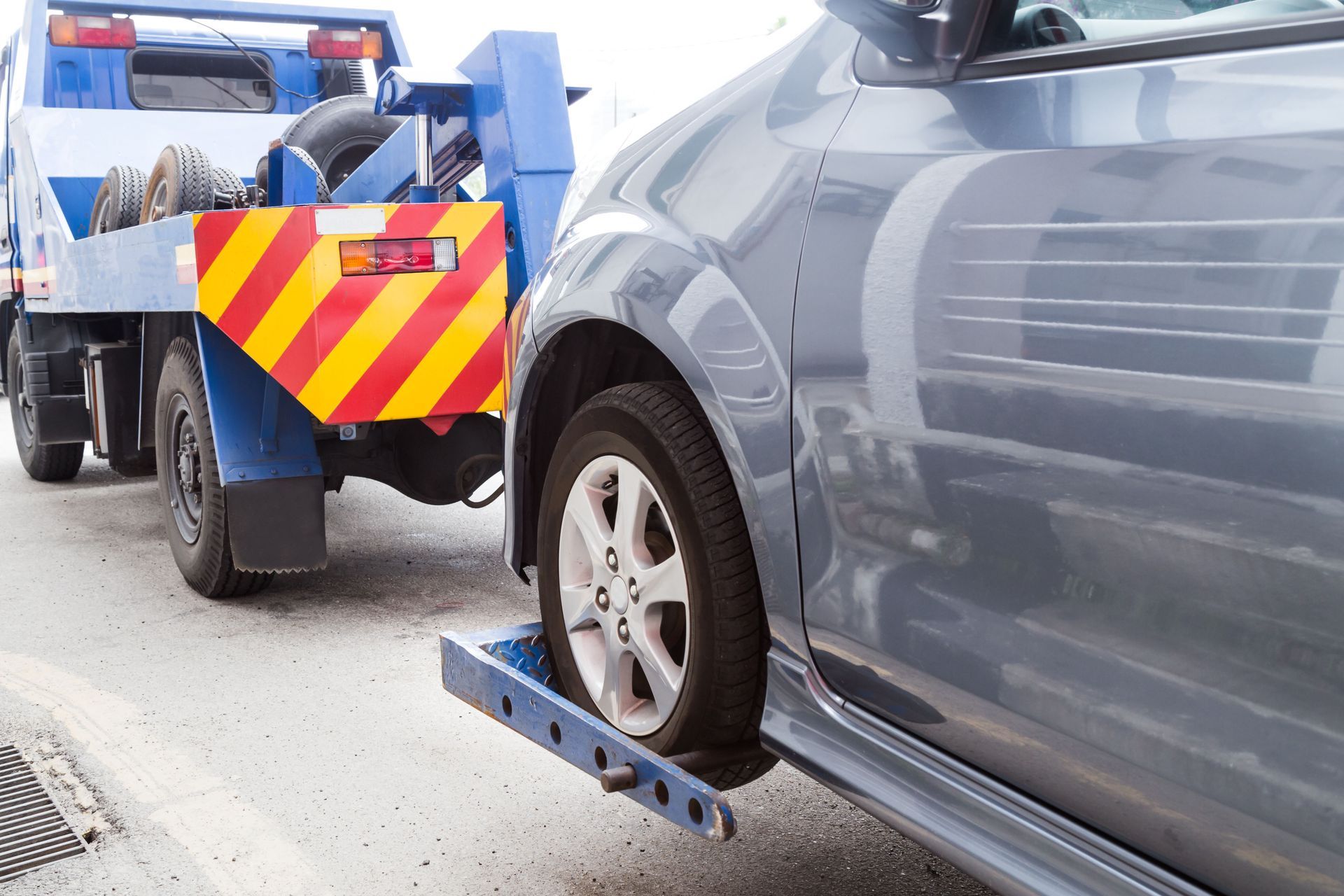
A dependable towing service plays a critical role in managing these situations efficiently, ensuring vehicles are recovered safely and transported to appropriate repair facilities without unnecessary delay. Whether dealing with mechanical failure, collision damage, or environmental hazards, professional assistance provides stability during otherwise disruptive events.
As roadway conditions and vehicle complexity continue to evolve, the need for reliable emergency response remains consistent. Drivers who recognize the value of prompt, professional support are better positioned to navigate breakdowns with minimal disruption and greater confidence on the road. For a reliable and professional towing company you can count on in emergencies, reach out to Champion's Towing Recovery!
Share On: