

6 Most Common Reasons People Call Roadside Assistance
A vehicle problem rarely waits for a convenient time or place. A car may refuse to start before work, lose a tire on a rural road, or stop running during a late-night trip. Whatever the circumstances, the immediate priorities are getting occupants away from traffic, protecting the disabled vehicle, and arranging the right type of help. An emergency service call gives stranded motorists a practical way to address common problems without depending on passing drivers or taking unnecessary risks near moving traffic.
Some incidents can be resolved where the vehicle stops, while others require towing or recovery equipment. The condition of the vehicle, its location, and the cause of the problem all affect the appropriate response. Understanding the situations that most often lead to a service call helps drivers communicate clearly with a dispatcher and know what information to provide while help is being arranged.
1. A Dead or Depleted Battery
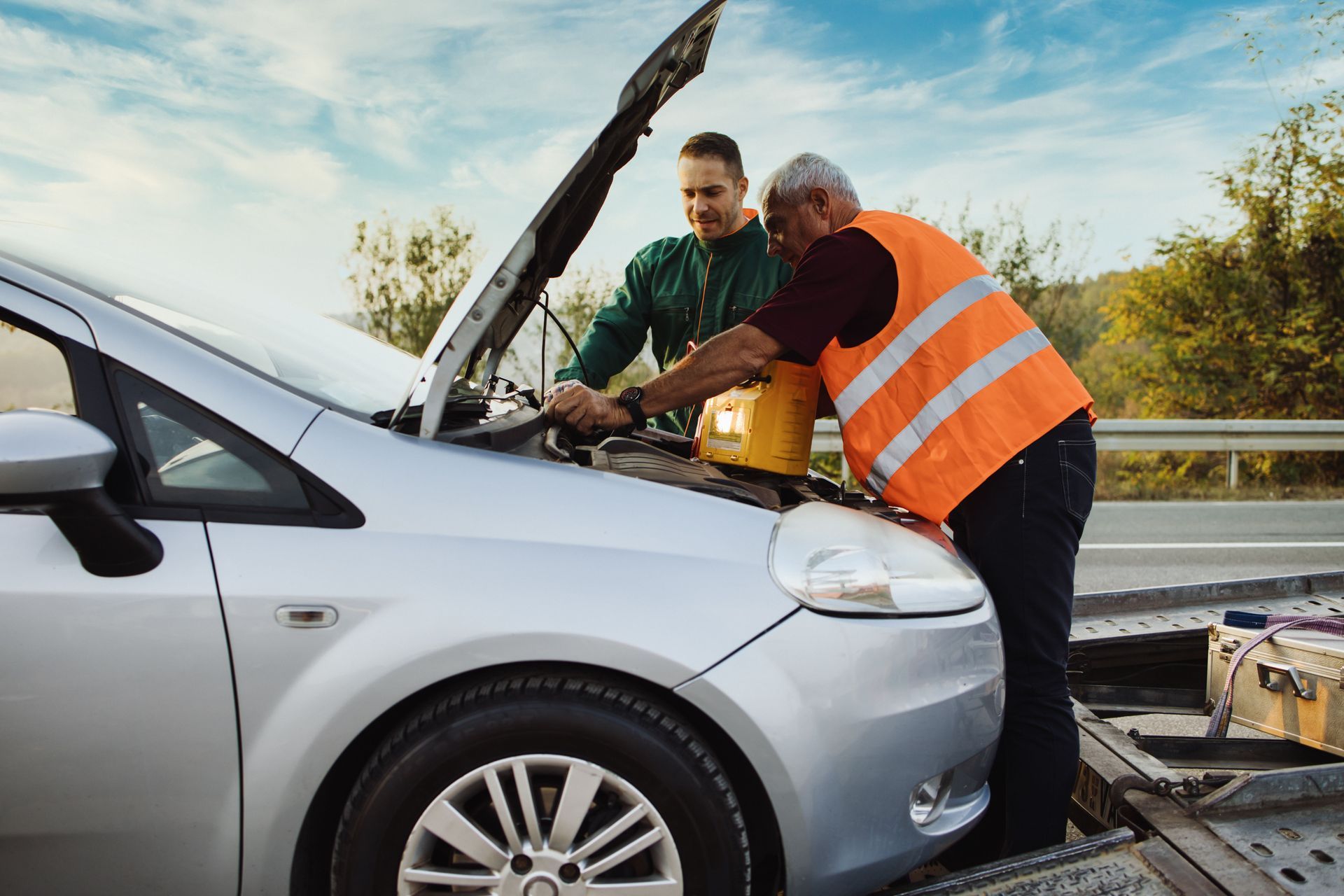
A dead battery is one of the most familiar reasons a driver turns the key or presses the ignition button and gets no response. Interior lights left on, extreme temperatures, an aging battery, or an electrical demand while the engine is off may leave the vehicle without enough power to start. Warning signs may include dim lights, repeated clicking, or an engine that turns over slowly. Similar symptoms can also accompany other electrical or starting-system problems, so the initial appearance does not always reveal the complete cause.
When a depleted battery is the likely issue, roadside assistance may provide a jump-start using equipment suited to the vehicle. The responder can position the service vehicle safely and establish the proper connection without asking the stranded motorist to stand close to traffic. Once the vehicle starts, the driver can decide whether it is safe to continue or whether another service is needed. If the car will not start after the attempted jump, towing may be the more appropriate next step.
2. A Flat or Damaged Tire
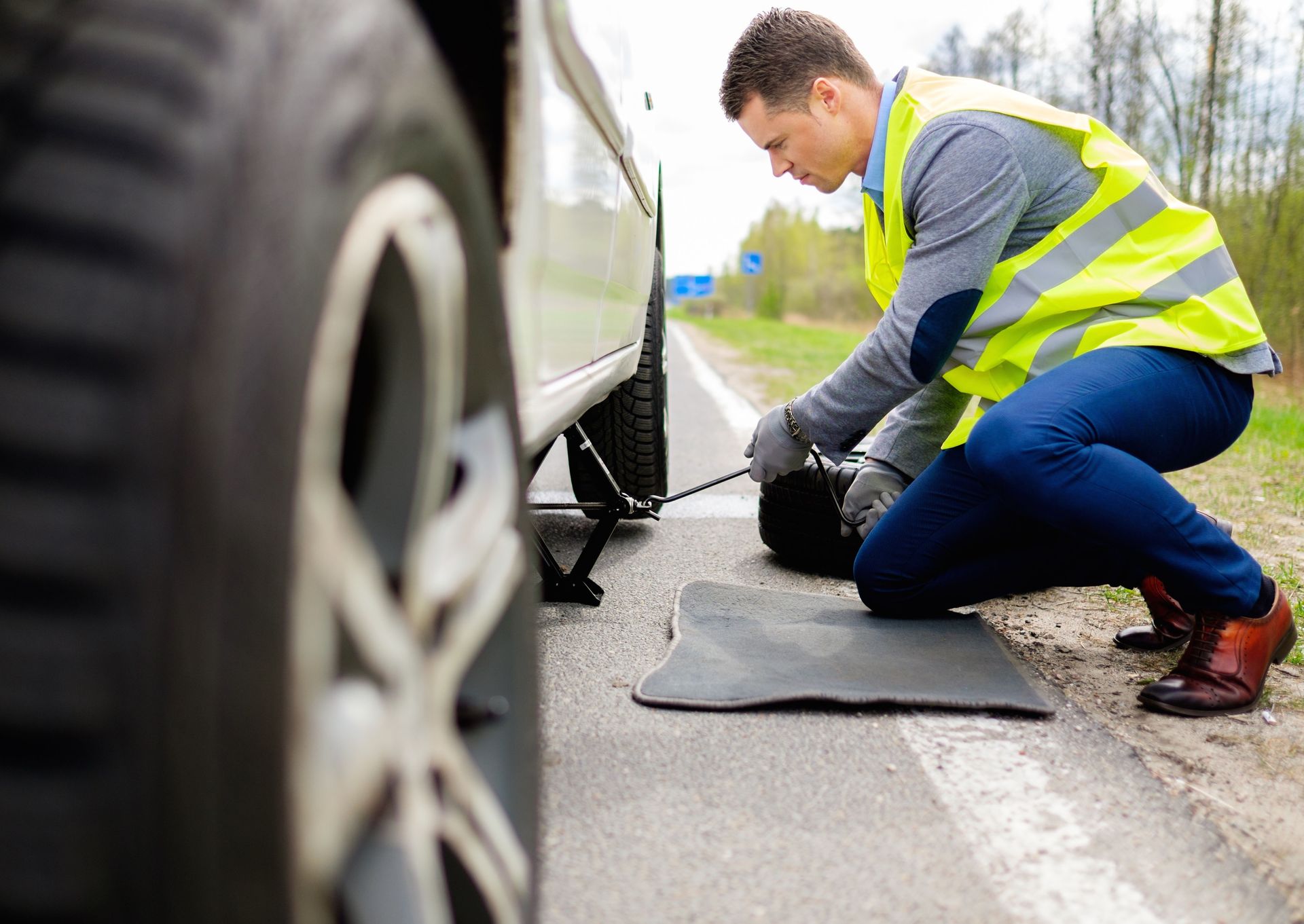
Tire trouble may develop gradually through a slow leak or happen suddenly after contact with a pothole, road debris, or another hazard. A puncture, sidewall failure, or blowout can make a vehicle difficult or unsafe to control. Even when the driver reaches the shoulder, limited space, poor lighting, soft ground, heavy rain, or high-speed traffic may make the location hazardous. The spare tire may also be missing, underinflated, inaccessible, or unsuitable for continued travel.
A roadside assistance provider can change the damaged tire when the vehicle has an appropriate spare and the location allows the work to be completed safely. Before dispatch, the caller should mention whether a spare is present, which tire is affected, and whether the vehicle is on a narrow shoulder or uneven surface. Those details help determine what equipment and response may be necessary. If a tire change cannot restore mobility, a flat-bed or other suitable tow can move the vehicle from the scene.
3. An Empty Fuel Tank
Running out of fuel can occur when a driver misjudges the remaining range, overlooks a low-fuel warning, or travels through an area where stations are farther apart than expected. Traffic delays and detours can also consume fuel that was expected to last until the next stop. Once the engine shuts down, the vehicle may be stranded on a highway, backroad, or unfamiliar route. Leaving it to walk for fuel exposes the driver to traffic, weather, and other avoidable hazards.
Fuel delivery is a common form of roadside assistance intended to provide enough gasoline to reach a nearby station. The caller should give the dispatcher the vehicle type and confirm the fuel it uses, since supplying the wrong fuel could create a more serious mechanical problem. Precise location information is equally important, particularly on divided highways where responders need the direction of travel, nearest exit, or recognizable landmark.
4. Keys Locked Inside the Vehicle
A vehicle lockout can happen when keys are left on a seat, dropped in the cargo area, or trapped inside after a door closes automatically. Electronic fobs reduce some traditional lockout scenarios but create others, including weak fob batteries and systems that fail to recognize the key. The urgency increases when the lockout occurs at night, in severe weather, or in an isolated parking area. A child, vulnerable adult, or animal inside the vehicle creates an emergency that should be reported immediately to emergency services.
For an ordinary lockout, roadside assistance can provide access using tools and methods appropriate for the vehicle. The caller may be asked to verify ownership or lawful possession before entry is provided. Sharing the make, model, year, key type, and exact location allows the responder to assess the situation more accurately. Non-destructive professional entry also avoids the additional damage that improvised attempts can cause to glass, paint, door frames, weather seals, and locking components.
5. A Mechanical or Electrical Breakdown
Engines can overheat, belts can fail, electrical systems can stop functioning, and warning lights can appear just before a vehicle loses power. A breakdown may leave the car partially operable, completely disabled, or in a position where remaining inside it is unsafe. Because the underlying problem is not always visible, continuing to drive may cause further damage or create a traffic hazard. The safer response is often to arrange transport rather than assume the vehicle can complete the trip.
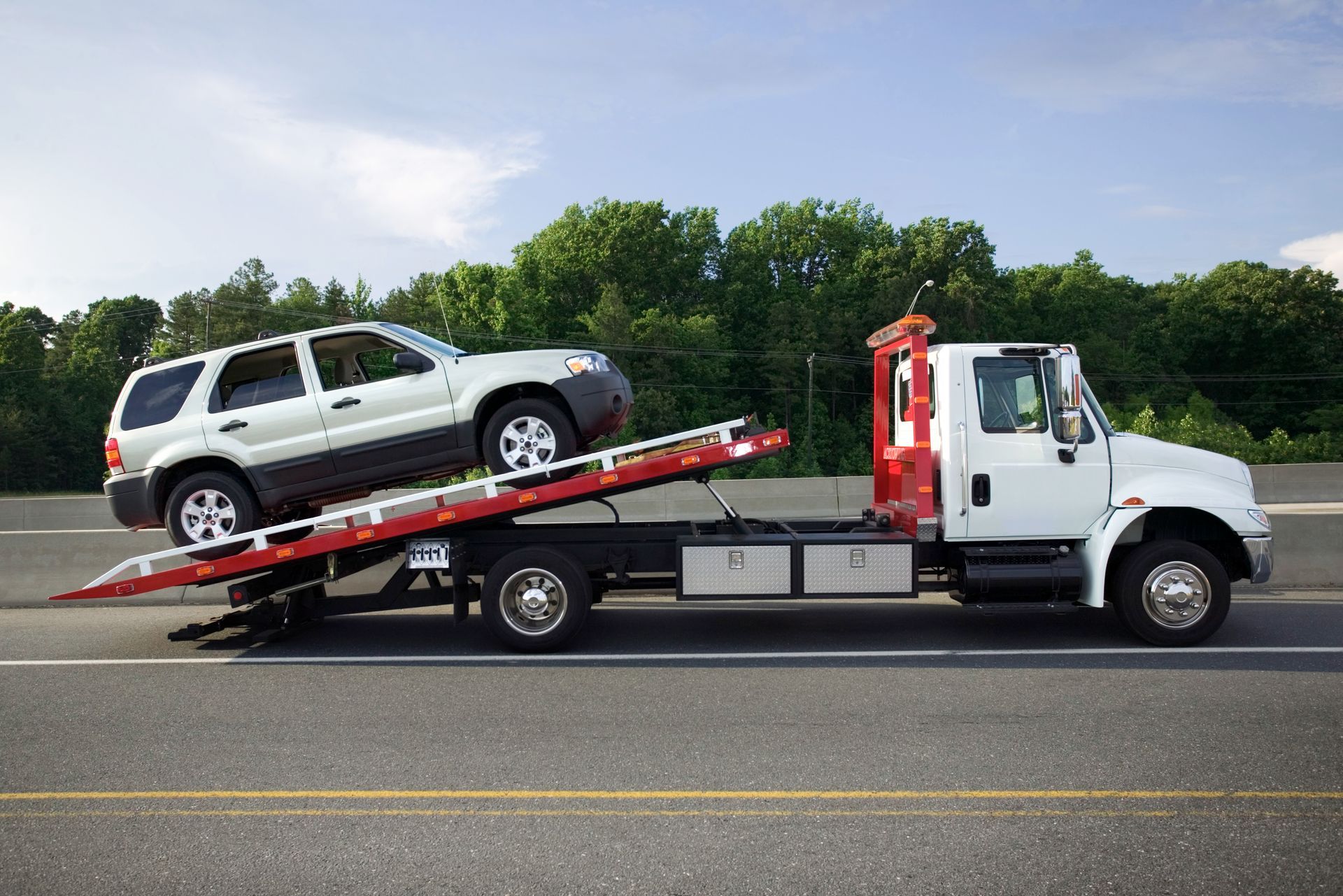
According to Zipdo, breakdowns account for about 45% of roadside incidents involving towing, while accidents account for roughly 25%. Those figures show why towing capability is an important part of roadside assistance, even though many calls begin as requests for help at the scene. A responder may arrive expecting a jumpstart or another limited service and determine that the vehicle cannot be returned to service there. Flat-bed towing can then provide a controlled way to transport many types of disabled vehicles.
6. A Collision or Off-Road Immobilization
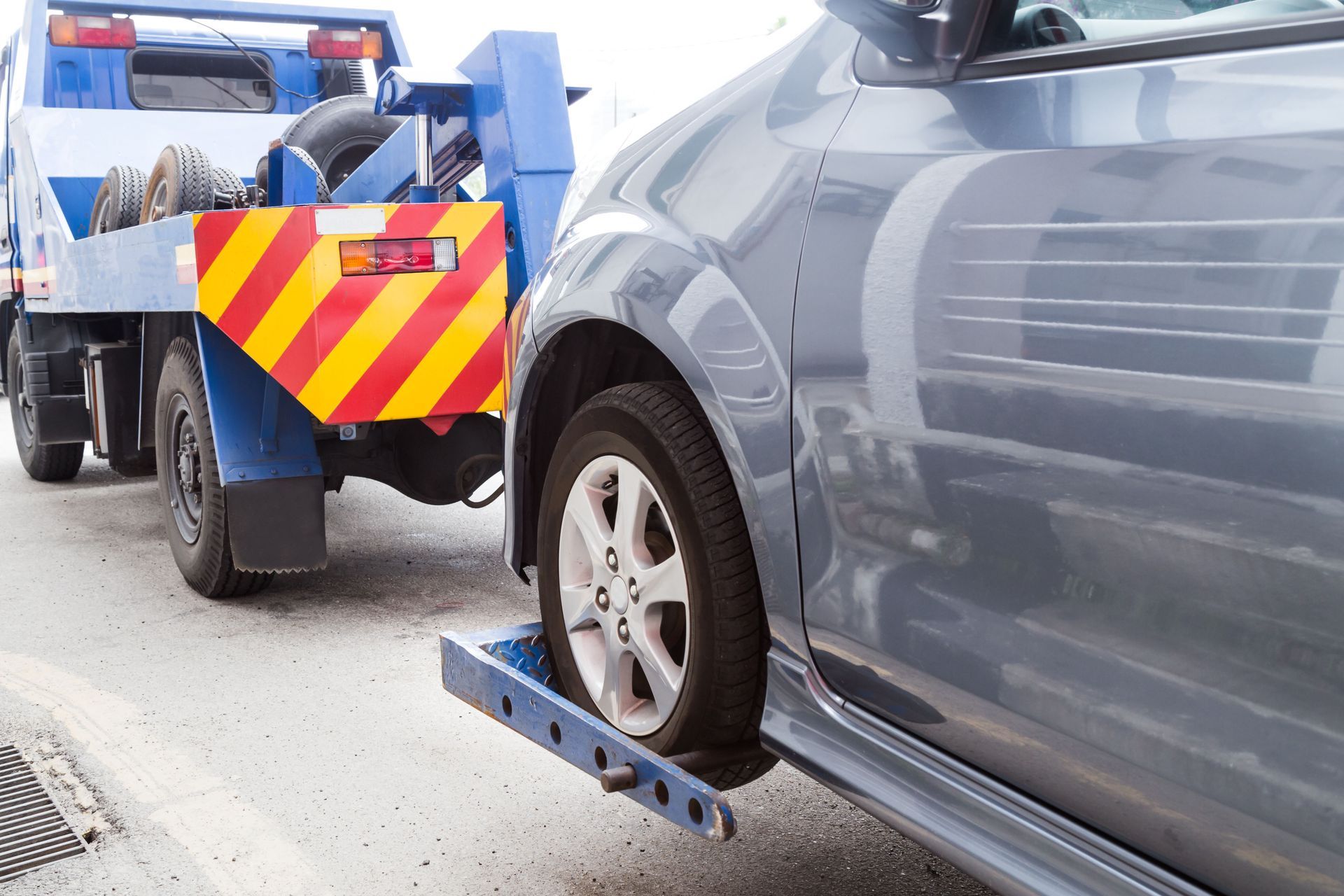
After a collision, a vehicle may be unable to move because of body damage, deployed safety systems, broken suspension parts, leaking fluids, or debris around the wheels. Even a car that still starts may not be safe to drive. Recovery at an accident scene can involve securing the vehicle, clearing hazards, coordinating with law enforcement, and transporting the car to storage or another authorized destination. The complexity of the scene makes professional accident recovery different from a routine service call.
Vehicles also become stranded without a collision. A driver may slide into a ditch, leave the pavement on a soft shoulder, or become stuck in mud where the tires cannot regain traction. A winchout uses recovery equipment to bring the vehicle back to a stable surface when conditions permit. The responder must consider the slope, ground conditions, vehicle position, attachment points, and nearby traffic before beginning the pull.
In either situation, the caller should report injuries, roadway obstructions, leaking fluids, fire, or other immediate dangers to emergency services first. Once the scene is under official control, the towing or recovery provider can follow instructions from law enforcement and the vehicle owner. Clear details about the vehicle's position and visible damage help the dispatcher send equipment capable of completing the recovery safely.
Prompt, well-matched help can turn an unexpected vehicle problem into a controlled response while reducing exposure to traffic and preventing avoidable vehicle damage. Knowing the vehicle type, exact location, visible symptoms, and surrounding hazards gives a dispatcher the information needed to arrange appropriate roadside assistance. At Champion's Towing Recovery, we provide assistance 24/7 when a disabled or stranded vehicle requires professional roadside support.
Share On: